
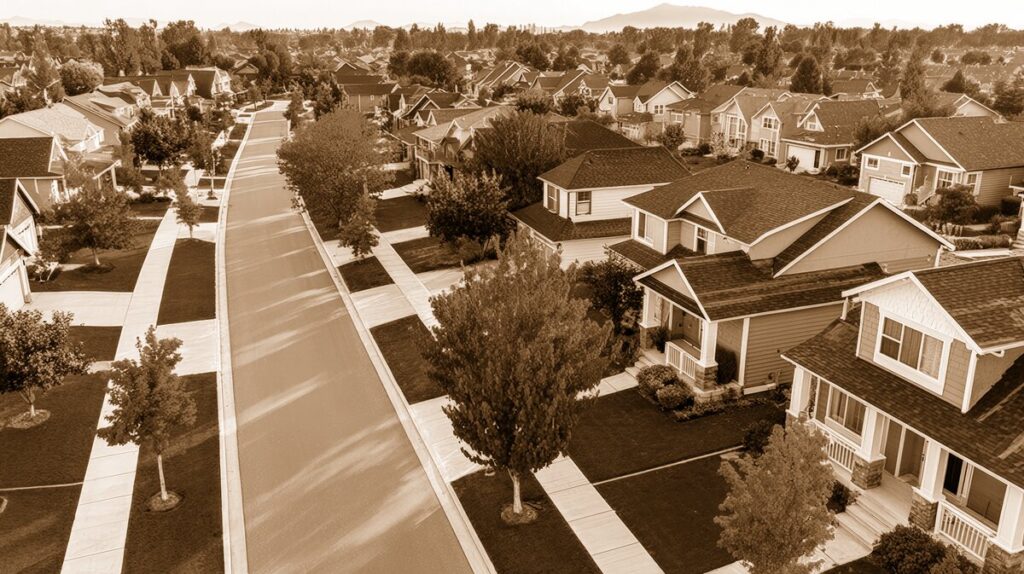
Discovering Ferndale’s Origins
Nestled in the western heart of Council Bluffs, the Ferndale neighborhood has quietly nurtured generations of families while maintaining its distinctive charm. Though it often flies just under the radar compared to some of the city’s more widely recognized districts, Ferndale’s story is one of resilience, community, and evolving identity—a testament to the spirit that defines Council Bluffs as a whole.
The Meaning Behind the Name
Ferndale first appeared on maps in the early 20th century during a period of rapid growth for Council Bluffs. The area, which gently slopes down toward Indian Creek, was once lush with native ferns and other greenery—a tranquil dale dotted with shade trees and wildflowers. Local legend says early settlers were so taken with the abundance of ferns along the creek bank that “Ferndale” was quickly adopted as a fitting moniker.
Early Days: Foundations and Settlement
Ferndale’s beginnings were simple. The original streets, such as Fern Circle, Plymouth Avenue, and North 32nd Street, cut through farmland and brush. Many of the area’s early homes were built by railroad and packinghouse workers in the 1920s and 1930s, taking advantage of new rail lines and streetcar extensions that connected Ferndale to the rest of Council Bluffs.
It was a modest place at first:
- Houses were practical—bungalows and small Craftsman cottages, many of which still stand today.
- Tree-lined boulevards provided shade and comfort during hot Iowa summers.
- Local institutions like Ferndale School (now closed, but fondly remembered by older residents) served as vital community hubs.
The strong, close-knit feeling has always set Ferndale apart. Neighbors watched over one another, picnicked together at Indian Creek Park, and lent a helping hand during tough times like the Great Depression.
Key Milestones in Ferndale’s Growth
Ferndale has never been static. Since its founding, the neighborhood has continued to adapt and thrive through several key points in its history:
- The Arrival of the Railway: The Missouri Pacific Railway influenced Ferndale’s settlement patterns, enabling residents to work in downtown Council Bluffs or cross the river to Omaha.
- Post-War Expansion: The economic boom after World War II spurred a new wave of homebuilding in the late 1940s and 1950s, filling out side streets like Poplar Drive and Linden Avenue.
- Integration and Diversity: By the 1970s, Ferndale increasingly reflected the changing face of America, welcoming immigrant families and citizens from all walks of life.
- Preservation Efforts: In the early 2000s, neighborhood activists and the Council Bluffs Historic Preservation Alliance worked together to document Ferndale’s oldest homes and encourage sensitive renovations, leading to renewed pride and investment in the area.
Notable Landmarks and Institutions
Ferndale is dotted with landmarks that root it firmly in Council Bluffs’ larger story:
- Indian Creek Park: This leafy park, much of it following the creek’s winding course, serves as the neighborhood’s lungs. With picnic shelters, open fields, and a walking trail, it’s where baseball games and summer barbecues have unfolded for decades.
- Ferndale Community Church: Erected in 1938 near Plymouth Avenue, this modest, white-steepled church has been a focal point for countless weddings, suppers, and holiday services.
- Classic Era Cottages: Take a stroll on Fern Circle and you’ll find well-preserved examples of early 20th-century architecture, complete with inviting porches and painted woodwork. Many homes display historic plaques denoting original owners and construction dates.
- Locust Hill Schoolhouse: Though technically just to the neighborhood’s northern edge, the old one-room schoolhouse stands as a reminder of Ferndale’s and Council Bluffs’ agrarian origins.
The Evolution of Ferndale
Over the decades, Ferndale has adapted to changing times without losing its fundamental appeal:
1950s–1970s:
Young families flocked to the area for affordable housing. Backyard gardens thrived, and boys fished for catfish in Indian Creek.
1980s–1990s:
Like many historic neighborhoods, Ferndale faced challenges—aging infrastructure, waning investment, and changing demographics. But longtime neighbors rallied, launching block parties and forming the Ferndale Neighborhood Association to advocate for beautification and crime reduction.
2000s–Today:
A new generation of homeowners, drawn by the sturdy housing stock and walkable streets, helped fuel a modest renaissance. Volunteers planted ferns and native flowers in public spaces, paying homage to the landscape that gave Ferndale its name so many years ago.
What Makes Ferndale Special Today
For residents, Ferndale is more than just a place—it’s a feeling. Some of what makes it unique:
- Friendly Mix of Old and New: Grandparents sit on porches where their own parents once watched over them, and new arrivals add fresh energy and traditions.
- Green Character: Mature trees, garden-filled yards, and thoughtful landscaping preserve a lush, inviting feel.
- Community Pride: Every spring, neighbors organize a cleanup day and plant flowers along the walkways of Indian Creek Park, continuing a decades-old tradition.
Ferndale: Yesterday, Today, and Tomorrow
Ferndale’s heritage is woven from the stories of railroaders, teachers, shopkeepers, and children who grew up playing along its safe, tree-shaded streets. It’s a place that cherishes its past while welcoming the future, where history isn’t just remembered—it’s lived, with every block and every neighbor adding a new chapter.
Whether you’ve lived here for years or are just discovering it for the first time, Ferndale’s unique blend of history, beauty, and heart is sure to leave a lasting impression.